


Table of Contents
Introduction
In the competitive B2B landscape, growth no longer depends solely on having a strong sales team or an innovative marketing department. Instead, true success hinges on how well these two functions work together. Sales and marketing alignment has emerged as one of the most powerful yet underutilized drivers of B2B success.
When the two teams collaborate effectively, companies enjoy stronger pipelines, improved customer experiences, and higher revenues. When they remain misaligned, organizations face wasted budgets, missed opportunities, and inconsistent messaging. This article explores why alignment is critical, the challenges organizations face, and how businesses can harness its power to fuel growth.
Understanding Sales and Marketing Alignment
Sales and marketing alignment means more than cooperation. It involves creating shared goals, definitions, and processes so that both teams operate as one cohesive unit.
Key aspects of alignment include:
- Shared revenue objectives rather than siloed metrics
- Unified buyer personas and target account lists
- Consistent messaging throughout the buyer journey
- Closed-loop reporting between marketing campaigns and sales feedback
When achieved, alignment transforms sales and marketing into partners working toward a common growth strategy.
Why Alignment Is a B2B Imperative
1. Today’s Buyer Journey Is Complex
Modern B2B buyers complete most of their journey online before ever speaking with a salesperson. If marketing and sales are not aligned on messaging and engagement strategies, prospects receive fragmented experiences that erode trust.
2. Revenue Impact Is Significant
Research shows companies with strong sales and marketing alignment generate 32% more revenue than competitors with weak alignment. Aligned organizations also achieve higher customer retention and lifetime value.
3. Resource Efficiency
Misalignment leads to wasted marketing spend on campaigns that do not convert and wasted sales time on unqualified leads. Alignment reduces inefficiencies and maximizes ROI.
4. Customer Expectations Have Changed
Customers expect a seamless experience across channels. When marketing promises one thing and sales delivers another, credibility suffers. Alignment ensures consistency and builds long-term trust.
Common Causes of Misalignment
Despite its benefits, many B2B organizations struggle with alignment. The most common challenges include:
- Different success metrics: Marketing measures leads; sales measures closed deals.
- Unclear lead definitions: Disagreements about what qualifies as a marketing-qualified lead (MQL) or sales-qualified lead (SQL).
- Poor communication: Lack of regular meetings and feedback loops.
- Siloed technology: Separate CRMs or platforms that prevent unified data sharing.
- Cultural differences: Sales may see marketing as out of touch, while marketing sees sales as resistant to innovation.
These challenges create frustration and reduce the impact of both teams.

How Sales and Marketing Alignment Drives B2B Success
1. Shared Revenue Goals
When both teams are accountable for revenue, not just leads or deals, they naturally work more closely. This fosters collaboration rather than competition.
2. Improved Lead Quality and Handoffs
Aligned teams agree on lead scoring criteria and service-level agreements (SLAs). Marketing generates leads that meet sales’ expectations, and sales provides timely follow-up and feedback.
3. Stronger Account-Based Marketing (ABM)
Alignment is essential in ABM strategies, where sales and marketing jointly identify high-value accounts and coordinate personalized outreach. The result is higher win rates and faster deal cycles.
4. Enhanced Customer Experience
When prospects receive consistent messaging from initial content engagement to sales conversations, trust builds quickly. Consistency is the cornerstone of long-term B2B relationships.
5. Data-Driven Decision Making
With aligned technology and shared dashboards, both teams access real-time insights. This enables smarter resource allocation and more accurate pipeline forecasting.
Best Practices to Achieve Alignment
1. Define a Common Language
Agree on definitions for key terms like MQL, SQL, and opportunity. Misunderstandings around these definitions are among the biggest barriers to alignment.
2. Establish a Service-Level Agreement (SLA)
An SLA clarifies expectations: marketing commits to a certain volume of qualified leads, while sales commits to following up within a set timeframe.
3. Create Joint Planning Sessions
Monthly or quarterly meetings ensure both teams align on campaign strategies, messaging, and target accounts.
4. Align Incentives and Compensation
Tie both teams’ incentives to revenue outcomes rather than individual metrics. This encourages collaboration rather than siloed performance.
5. Invest in Unified Technology
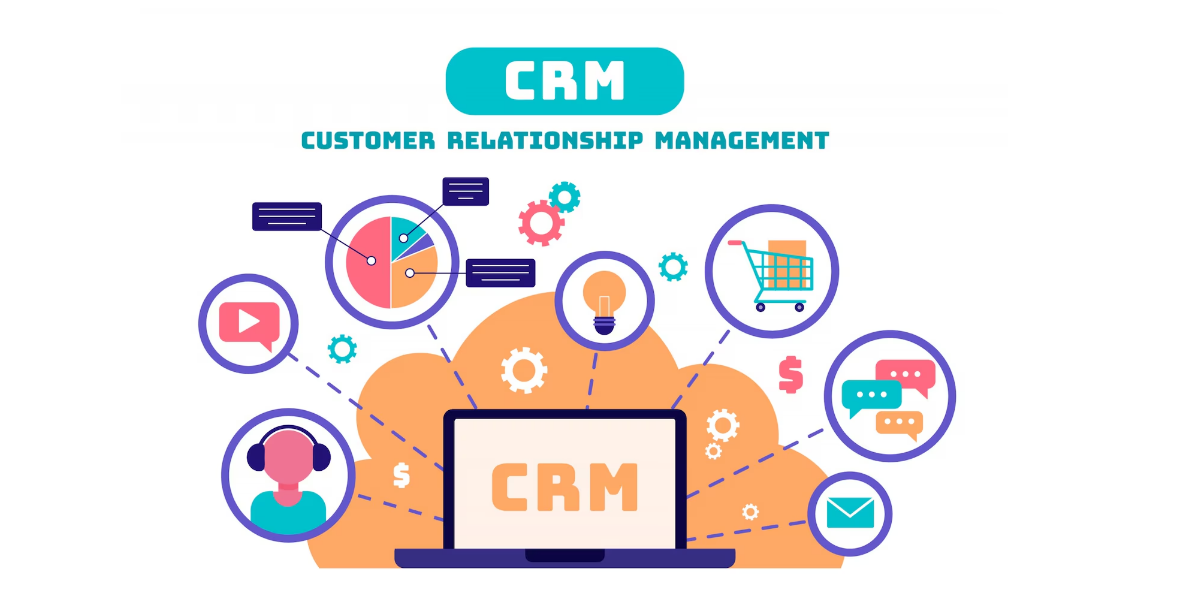
A shared CRM or marketing automation platform ensures transparency and seamless communication across the funnel.
6. Focus on Customer-Centricity
Shift the conversation from “leads” and “deals” to “customer outcomes.” A customer-first mindset naturally fosters collaboration.
Case Example: Alignment in Action
A mid-sized B2B technology firm faced declining conversion rates despite increasing marketing budgets. After conducting a joint sales-marketing workshop, they implemented shared KPIs, redefined lead scoring, and adopted an ABM approach. Within 12 months, the company saw:
- 35% growth in marketing-sourced pipeline
- 25% faster sales cycles
- Higher customer satisfaction scores due to consistent messaging
The outcome proved that alignment was the missing driver of sustainable success.
Future Trends in Sales and Marketing Alignment
Revenue Operations (RevOps)
RevOps is becoming the organizational model of choice for alignment. By merging sales, marketing, and customer success under one umbrella, companies create unified accountability for revenue.
AI and Predictive Analytics
AI will enhance alignment by scoring leads more accurately, predicting buyer intent, and surfacing insights that both teams can use.
Personalization at Scale
Aligned teams will increasingly collaborate to deliver personalized content and outreach across the entire buyer journey.
Cross-Functional Skill Sets
The future will require marketers who understand sales strategies and sales professionals who leverage marketing tools. Hybrid skill sets will break down traditional silos.
Conclusion
Sales and marketing alignment is no longer a buzzword—it is a necessity for B2B success. Misalignment costs companies time, money, and opportunities, while alignment drives revenue growth, stronger pipelines, and exceptional customer experiences.
B2B organizations that embrace alignment not only outperform competitors but also build resilient growth strategies in an increasingly complex marketplace. The key lies in shared goals, clear communication, and a relentless focus on customer value.
In short: sales and marketing alignment is not just an operational fix—it is the foundation of B2B success.




Leave a Reply