


Table of Contents
- The Decline of the Classic Lead Form
- The Rise of Frictionless B2B Experiences
- The New Definition of a Lead in 2025
- Emerging Alternatives to Gated Content
- The Technology Powering Lead Gen 2.0
- Aligning Sales and Marketing Around the New Funnel
- The Human Element Still Matters
- Future Outlook: Beyond 2025
- Final Thoughts
For more than a decade, lead generation forms have been the backbone of B2B marketing. Every whitepaper, webinar, or case study came with a gate: “Fill out this form to access.” But 2025 marks a turning point. The traditional form-based funnel is losing relevance as buyers demand faster, frictionless, and more value-driven interactions.
In this new landscape, B2B marketers must ask a critical question: if forms are fading, what’s replacing them? Let’s unpack the transformation shaping modern lead generation and explore what actually works today.
The Decline of the Classic Lead Form
Once upon a time, a form with five fields was considered “short.” Buyers willingly filled in their details to receive gated reports or product demos. But today’s digital-first buyers no longer tolerate interruptions or friction.
A growing body of evidence shows that forms often do more harm than good. A 2024 HubSpot report found that 61% of B2B buyers abandon gated offers when faced with lengthy forms. In a market where attention spans are scarce and trust is hard-won, that’s a major conversion killer.
Three key forces are driving this decline:
- Buyer Empowerment – Decision-makers research independently and expect on-demand access to information.
- Privacy Regulation – With GDPR, CCPA, and cookieless tracking, data collection through forms feels intrusive.
- AI-Powered Search – Tools like ChatGPT and Perplexity reduce the need to “exchange data for content.”
In short, forms have become a barrier in a world obsessed with convenience.
The Rise of Frictionless B2B Experiences
If forms are dying, what replaces them? The answer lies in frictionless engagement — experiences that remove unnecessary steps between interest and interaction.
Here’s what’s gaining traction in 2025:
1. Chatbots and Conversational Funnels
AI chat interfaces now serve as dynamic lead capture tools. Instead of static forms, companies deploy conversational bots that personalize questions based on user intent.
A buyer exploring an enterprise solution can interact in real time — ask questions, qualify themselves, and even schedule demos instantly. Unlike static forms, chatbots collect context-rich data while creating a humanized experience.
Platforms like Drift, Intercom, and Qualified have redefined B2B lead gen by blending automation with natural conversation flow.
2. Interactive Content That Self-Qualifies Leads
Modern buyers prefer experiences over forms. Tools like ROI calculators, quizzes, and product recommendation engines not only engage users but gather meaningful data passively.
For example, a cloud services company might use a “Cloud Cost Savings Calculator” that provides instant insights while identifying high-intent prospects. The result? Lead data that’s both voluntary and valuable.
3. Intent-Based Personalization
With the help of behavioral analytics and AI, marketers can now detect buying intent signals before a form ever appears.
By tracking engagement patterns, page dwell time, and content depth, B2B brands can score leads automatically and trigger personalized outreach. This means fewer forms — and better-qualified prospects.
4. Account-Based Experiences (ABX)
Account-Based Marketing (ABM) has evolved into Account-Based Experiences, where personalization extends across the buyer journey.
Instead of capturing random leads through a form, marketers curate experiences for key accounts — personalized landing pages, tailored videos, and direct calendar links. The focus shifts from volume to relevance.
The New Definition of a Lead in 2025
In the post-form era, the concept of a “lead” itself is being redefined.
A decade ago, downloading a whitepaper equaled interest. Today, intent is inferred from behavioral signals — time spent on pricing pages, repeat visits, or engagement with interactive tools.
Modern marketing platforms integrate CRM, AI analytics, and engagement data to generate a “composite intent score.” This replaces traditional lead fields with actionable intelligence.
As a result, sales teams no longer chase cold leads. They focus on context-aware prospects who’ve already demonstrated readiness to buy.
Emerging Alternatives to Gated Content
Let’s face it — gated content isn’t disappearing overnight. But the smartest B2B brands are reinventing how they use it.
Here are some innovative approaches that work:
1. Progressive Profiling
Instead of overwhelming visitors with multiple fields, progressive profiling collects small data points over time. Each subsequent interaction deepens the buyer profile without creating friction.
2. Ungated Premium Content
Leading brands are experimenting with ungating premium content to boost reach and trust. When valuable resources are freely accessible, visitors are more likely to engage voluntarily later.
3. Embedded CTAs
Instead of form walls, marketers now use embedded calls-to-action like chat-based prompts, slide-in offers, or in-content scheduler widgets. These maintain the flow of user experience while capturing intent data.
4. Video-Driven CTAs
Video is emerging as a powerful alternative to gated PDFs. Interactive video tools allow viewers to click, answer, or book demos directly from within the player — turning passive consumption into active engagement.

The Technology Powering Lead Gen 2.0
Behind every frictionless experience lies an ecosystem of modern tools designed for real-time intelligence.
Here are the technologies enabling the shift:
- AI-Driven Analytics – Detects buying intent and personalizes outreach without forms.
- Customer Data Platforms (CDPs) – Unifies behavioral data from multiple touchpoints.
- Conversational AI – Qualifies leads through natural dialogue.
- Predictive Lead Scoring Models – Replaces static MQL scoring with behavior-based algorithms.
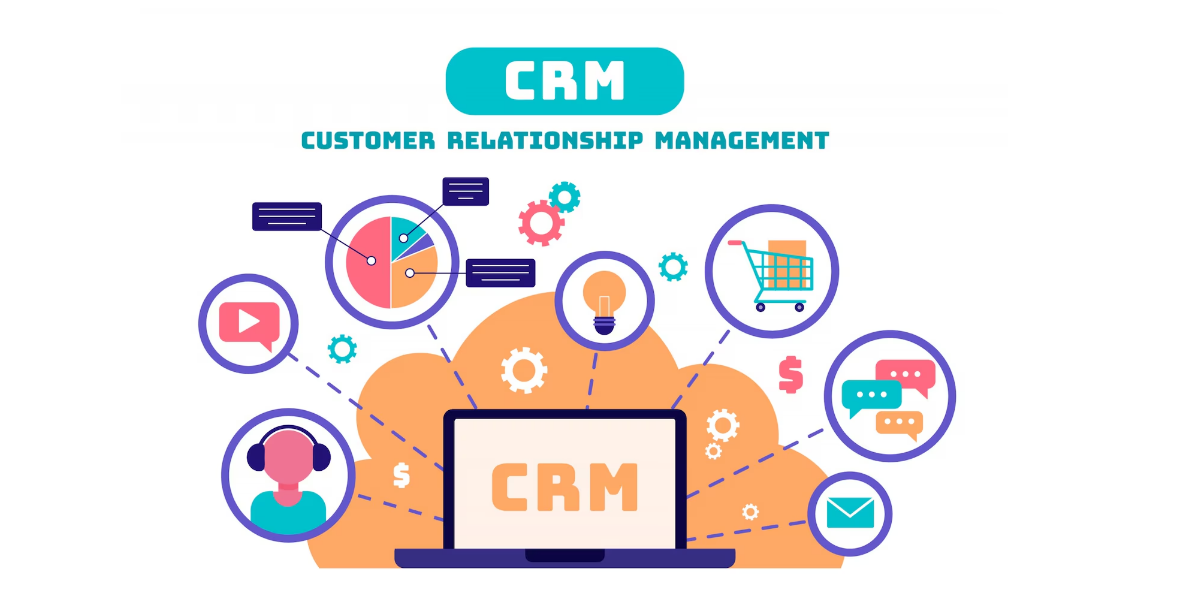
- Integrated CRM Systems – Aligns marketing, sales, and customer success in one pipeline.
This integrated stack transforms B2B lead generation from form-filling to signal interpretation.
Aligning Sales and Marketing Around the New Funnel
The death of forms also demands a cultural shift. Sales and marketing must align more closely around shared metrics, automation workflows, and real-time insights.
Instead of measuring form fills, teams now prioritize:
- Engagement time per session
- Demo bookings via chatbot
- Interactive tool completions
- Pipeline velocity
- Revenue influenced by content
This shift drives accountability and ensures that every digital touchpoint contributes to measurable business outcomes.
The Human Element Still Matters
Automation and AI are reshaping B2B lead generation, but human connection remains irreplaceable.
Buyers still value expertise, empathy, and trust. The best modern funnels blend automation with authentic interaction — ensuring that when a prospect engages, the experience feels personal and relevant.
Live chat support, personalized follow-ups, and contextual recommendations amplify trust in ways that static forms never could.
Future Outlook: Beyond 2025
Looking ahead, the trajectory is clear. The future of B2B lead generation will hinge on data fluidity and adaptive personalization rather than rigid data capture.
Key trends on the horizon include:
- AI copilots that predict content intent and trigger real-time engagement.
- Zero-click conversions, where actions happen within search, chat, or embedded platforms.
- Data collaboration ecosystems that enrich lead profiles across trusted networks.
The marketers who thrive will be those who understand one simple truth: buyers don’t want to be captured — they want to be understood.
Final Thoughts
The death of traditional lead gen forms isn’t the end of B2B marketing — it’s the beginning of a more intelligent, human-centered era.
In 2025, the most successful B2B brands will earn trust by removing friction, using data ethically, and creating experiences that feel less like marketing and more like meaningful dialogue.
Those who cling to outdated lead capture tactics will fade into irrelevance. But those who embrace conversational, adaptive, and insight-driven engagement will find themselves not just generating leads — but building lasting relationships that fuel real growth.



Leave a Reply