


Table of Contents
- Introduction: The New Face of B2B Engagement
- The Shift from Audience Building to Community Building
- Why LinkedIn Groups Matter in B2B Marketing
- How LinkedIn Groups Build B2B Communities That Last
- Designing a LinkedIn Group That Actually Works
- Content Strategies for Sustaining Engagement
- Leveraging LinkedIn Group Insights for Business Growth
- Case Example: How a Tech Company Scaled Engagement with LinkedIn Groups
- The Future of LinkedIn Groups in B2B Community Building
- Conclusion: Turning LinkedIn Groups into Growth Engines
Introduction: The New Face of B2B Engagement
The digital landscape of B2B marketing has evolved beyond cold outreach, email automation, and static content strategies. In today’s relationship-driven market, communities are the new growth engines. Nowhere is this transformation more visible than on LinkedIn, where over 950 million professionals connect, collaborate, and share insights daily.
For B2B brands, LinkedIn Groups have emerged as a powerful platform for building meaningful engagement, fostering trust, and driving long-term relationships. Unlike ads or fleeting content impressions, groups create spaces for sustained conversation and shared learning—two critical ingredients for brand loyalty and credibility.
This article explores the power of LinkedIn Groups in B2B community building, offering a complete guide on how to design, grow, and sustain a thriving professional network that amplifies brand influence and sales impact.
The Shift from Audience Building to Community Building
B2B marketing is no longer about broadcasting messages; it’s about creating ecosystems where dialogue replaces monologue. The modern buyer expects connection, not just conversion.
Communities, particularly on LinkedIn, are enabling brands to:
- Position themselves as thought leaders instead of just vendors
- Nurture leads organically through consistent interaction
- Build advocacy and trust without direct selling
- Generate valuable feedback loops for better product or service alignment
While content marketing focuses on attraction, community marketing focuses on retention and participation. A LinkedIn Group allows both to coexist, creating a self-sustaining cycle of engagement.
Why LinkedIn Groups Matter in B2B Marketing
LinkedIn’s algorithm and user base make it an unparalleled platform for professional networking. However, its real power lies in the niche communities that form within it.
Here are key reasons why LinkedIn Groups in B2B are indispensable:
- Highly Targeted Audiences
Groups are topic-specific, allowing brands to connect directly with decision-makers who already have interest in the industry or pain point you address. - Built-In Credibility
Participation in groups signals expertise. A well-managed group instantly positions your brand as a trusted industry hub. - Organic Visibility
Group discussions appear in member feeds, extending reach without the need for paid ads. - Low-Cost Relationship Building
Unlike advertising, group engagement relies on authenticity and knowledge-sharing rather than budget-heavy campaigns. - Collaborative Networking
Groups bring together professionals across roles, industries, and geographies, sparking conversations that often lead to partnerships or deals.
Essentially, LinkedIn Groups replace transactional marketing with relational marketing, nurturing trust over time rather than pushing for immediate conversions.
How LinkedIn Groups Build B2B Communities That Last
Community building requires consistency, clarity, and contribution. LinkedIn Groups excel in all three, creating the foundation for meaningful B2B relationships.
Let’s unpack how they function as a cornerstone of modern B2B engagement.
1. Facilitating Knowledge Exchange
Professionals join groups not to be sold to, but to learn. By fostering expert discussions, sharing case studies, and enabling peer-to-peer advice, your group becomes a trusted source of insights.
Example: A SaaS firm running a “Data-Driven Growth Strategies” group can post best practices, host polls, or invite experts to discuss analytics trends. Over time, members associate the brand with expertise, not just software.
2. Cultivating Emotional Connection Through Shared Identity
The best B2B communities aren’t built on transactions but on shared purpose. When your group represents a cause or collective challenge—like “Sustainable Manufacturing Practices” or “AI for Sales Enablement”—members feel emotionally invested.
This shared identity transforms passive followers into active contributors and brand advocates, creating the trust loop every B2B marketer dreams of.
3. Driving Engagement with Two-Way Conversations
Traditional marketing speaks at the audience; group engagement speaks with them. Q&A threads, polls, and discussion prompts make members feel seen and heard.
Active moderation ensures discussions stay relevant, civil, and insightful, creating an environment that keeps professionals returning regularly.
4. Turning Insights into Lead Intelligence
Every comment, question, or poll response inside your LinkedIn Group is a data point. You gain real-time insight into what your target audience struggles with, what topics drive interest, and how they frame their business challenges.
This data can feed your:
- Content marketing strategy
- Product roadmap
- Sales enablement messaging
Unlike generic analytics, group insights are human, nuanced, and context-rich—making them invaluable for refining positioning.
5. Establishing Thought Leadership
Running or actively contributing to a LinkedIn Group positions your brand and its leaders as industry authorities. Consistently offering informed perspectives earns respect faster than ad campaigns ever could.
Thought leadership within groups also boosts external engagement, as members begin referencing or sharing your posts beyond the group itself.
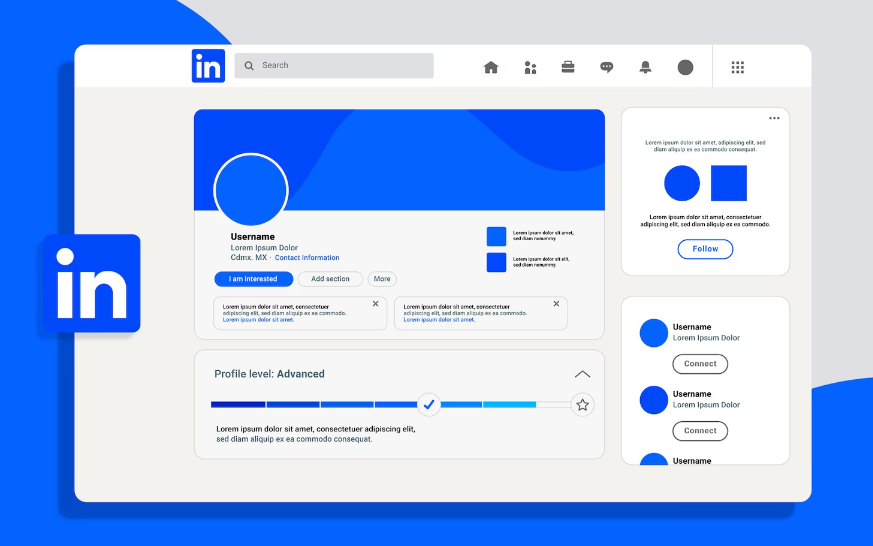
Designing a LinkedIn Group That Actually Works
Creating a LinkedIn Group is easy. Building one that thrives requires intentional design. Here’s how to set up a B2B community that attracts the right professionals and keeps them active.
Step 1: Define the Group’s Purpose
Clarity is the foundation of community success. Avoid naming your group after your company; instead, focus on an industry niche or professional goal.
For instance:
- “B2B Martech Innovators” instead of “Acme Martech Solutions Users”
- “Global Supply Chain Leaders” instead of “XYZ Logistics Network”
Your goal is to attract members around a shared interest, not a brand logo.
Step 2: Optimize for Search Visibility
Use keywords naturally in your group’s title and description to improve LinkedIn search ranking. For this topic, include phrases like:
- “B2B marketing communities”
- “LinkedIn Groups for professionals”
- “Industry collaboration”
Clear, keyword-optimized descriptions ensure your group shows up when potential members search for their niche.
Step 3: Establish Rules and Moderation Framework
Effective moderation keeps quality high and spam low.
Set guidelines that promote discussion, prohibit self-promotion, and encourage diverse perspectives.
Assign moderators who understand both the topic and the tone of your community. The more structured the environment, the more likely professionals are to contribute meaningfully.
Step 4: Foster Early Engagement
The first few weeks determine a group’s trajectory. Begin by inviting colleagues, clients, and industry peers to seed conversations. Post content that encourages comments rather than passive reads:
- “What’s your biggest challenge with lead quality in 2025?”
- “Has AI changed how you approach client retention?”
Engagement breeds visibility, as LinkedIn’s algorithm prioritizes active groups in member feeds.
Step 5: Mix Content Formats
Rotate between:
- Discussion threads
- Polls and surveys
- Live events or webinars
- Curated industry news
- Exclusive resources or eBooks
Variety keeps members engaged and ensures your content appeals to different learning styles.
Content Strategies for Sustaining Engagement
Content is the fuel of every LinkedIn Group. To keep conversations flowing, use these approaches:
- Member Spotlights: Highlight achievements or insights from members to reinforce belonging.
- Weekly Themes: Choose a focus topic each week to guide discussions.
- AMA (Ask Me Anything) Sessions: Invite subject-matter experts for short Q&As.
- Data-Driven Debates: Post emerging trends or statistics to spark analytical discussions.
- Curated Case Studies: Share industry success stories that inspire dialogue rather than promotion.
The golden rule: every post should inform, inspire, or involve members—not sell to them.
Leveraging LinkedIn Group Insights for Business Growth
Once your community starts gaining traction, the next step is to translate engagement into tangible business value.
1. Identifying Qualified Leads
Members who consistently comment, share insights, or attend live sessions signal higher interest and alignment. These are your warmest prospects.
Instead of cold outreach, your sales team can now approach them with context and familiarity.
2. Content Co-Creation Opportunities
Active members often bring fresh perspectives. Collaborate with them on whitepapers, podcasts, or LinkedIn Live events. This not only strengthens the relationship but also boosts group credibility.
3. Feedback for Product and Messaging Refinement
Groups double as real-time focus panels. If your audience repeatedly raises a specific issue, that’s a sign your solution—or your messaging—should evolve.
The insights drawn from these discussions are more accurate than traditional surveys because they come from natural conversations, not prompted responses.
4. Employer Branding and Talent Attraction
B2B communities don’t just drive leads—they attract talent.
When professionals see your organization facilitating meaningful industry dialogue, they perceive it as a place where innovation thrives.
This perception strengthens your employer brand and helps recruit candidates who already align with your values.
Case Example: How a Tech Company Scaled Engagement with LinkedIn Groups
Consider a mid-sized cybersecurity firm that launched a group titled “Secure Digital Enterprises: Cyber Trends and Solutions”.
In six months, they achieved:
- 12,000 active members
- 58% average monthly engagement
- A 3x increase in qualified inbound leads
Their strategy? Consistency and value. Weekly insights, live Q&As with cybersecurity experts, and zero promotional clutter turned the group into an industry knowledge hub. When members were ready to buy, they naturally turned to the brand that had been guiding them all along.
The Future of LinkedIn Groups in B2B Community Building
As B2B buyers demand authenticity and collaboration, LinkedIn Groups will only grow in relevance. Future developments will likely include:
- AI-driven topic recommendations for members
- Integrated analytics for engagement measurement
- Enhanced video and event features
However, the essence of community will remain unchanged: genuine connection through shared purpose. Technology may scale engagement, but trust and human insight will always drive loyalty.
Conclusion: Turning LinkedIn Groups into Growth Engines
LinkedIn Groups are no longer optional—they are essential for brands that want to build sustainable B2B communities. In a marketplace driven by relationships, groups serve as living ecosystems where trust compounds, insights multiply, and conversions follow naturally.
The power of LinkedIn Groups in B2B lies not in their size but in their authenticity. A small, engaged group can outperform a massive, passive one. The secret is consistency—consistent value, participation, and presence.
By positioning your brand as a facilitator rather than a broadcaster, you transform from a company that sells into a community that leads. That’s how real influence—and real growth—begin.

Leave a Reply