


In today’s rapidly evolving business environment, selecting the right software solution is crucial for B2B companies striving to stay competitive. But with an overwhelming number of options available, the process of choosing the right tools can be both time-consuming and complex. Fortunately, AI-powered recommendation engines are revolutionizing this process, helping businesses make smarter, data-driven decisions quickly and efficiently.
This blog explores how AI recommendation engines are transforming B2B software selection, their benefits, and how businesses can leverage them for optimal results.
What Are AI Recommendation Engines?
AI recommendation engines are systems powered by artificial intelligence that use algorithms to suggest products, services, or solutions based on data analysis. In the context of B2B software, these engines help businesses select the best-fit software solutions by analyzing a range of factors such as company size, industry, user preferences, budget, and past purchasing behavior.
AI recommendation engines utilize machine learning (ML) and natural language processing (NLP) techniques to process vast amounts of data, identify patterns, and predict which software solutions are most likely to meet a company’s needs. Unlike traditional search methods, which are based on keyword matching, AI recommendation engines offer more personalized, context-aware suggestions.
Why AI Recommendation Engines Are Crucial for B2B Software Selection
B2B software selection is a complex and highly nuanced process. Businesses often need to evaluate multiple factors before making a purchase decision. AI recommendation engines are transforming how organizations navigate this process by making it faster, more accurate, and more cost-effective. Here’s why AI is a game-changer:
1. Personalized Software Suggestions
One of the primary advantages of AI recommendation engines is their ability to offer highly personalized recommendations. Traditional software selection often involves sifting through endless lists of options and features. However, AI systems take into account a business’s unique requirements, such as:
- Industry-specific needs
- Size and scale of the company
- User feedback and reviews
- Budgetary constraints
- Existing software ecosystem
By analyzing these factors, AI engines provide tailored software suggestions that best match the company’s goals, improving the chances of selecting the right solution.
2. Data-Driven Decision Making
AI recommendation engines are built on data and analytics, making them a valuable tool for data-driven decision-making. They pull data from a variety of sources, including user interactions, historical data, customer feedback, and even external market trends, to make informed recommendations. This eliminates the guesswork and bias associated with traditional decision-making processes, ensuring that the recommended software solutions are not only relevant but also aligned with the business’s long-term strategy.
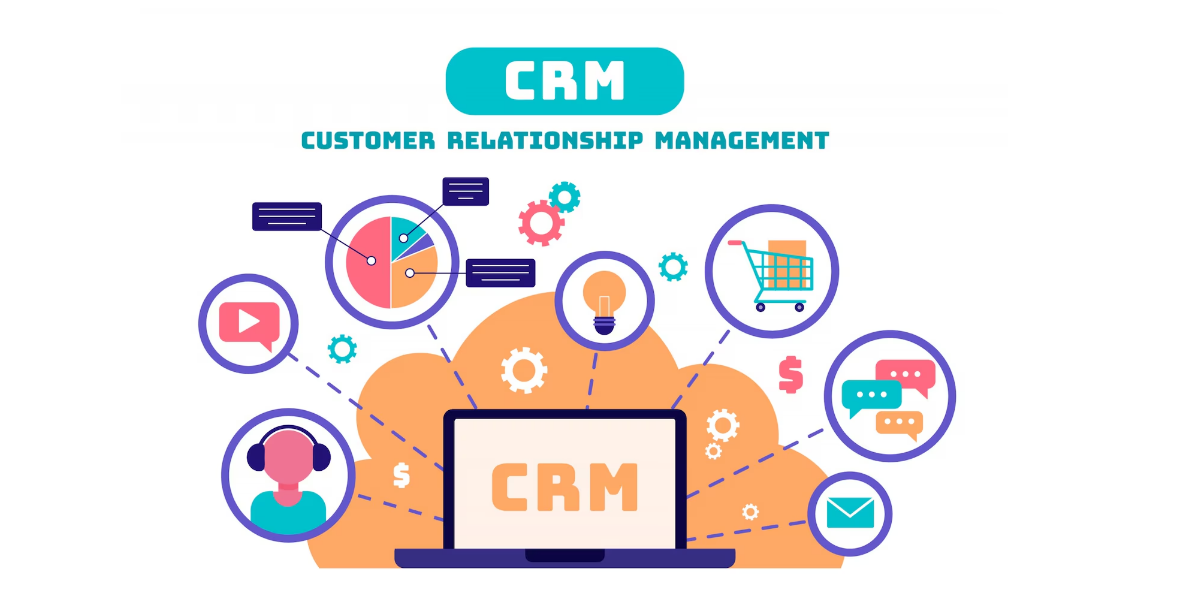
For instance, if a business is looking for customer relationship management (CRM) software, an AI engine might analyze past usage data to recommend a solution that integrates seamlessly with the company’s existing tools and offers the most useful features for their specific needs.
3. Faster Decision-Making
In the past, software selection involved long research cycles, sometimes taking months. With AI recommendation engines, businesses can reduce this time significantly. Instead of manually researching multiple options, AI-powered systems analyze available data in real time to deliver the best-fit options almost instantly. This rapid decision-making process allows businesses to implement software solutions more quickly, improving their time-to-market and overall operational efficiency.
4. Increased Accuracy and Reduced Risk
Software investment decisions come with inherent risks. Selecting the wrong software can lead to wasted resources, reduced productivity, and, in the worst cases, project failure. AI recommendation engines minimize these risks by offering highly accurate suggestions based on reliable data. Since AI systems continuously learn and improve over time, the recommendations become more accurate with each use. As a result, businesses are more likely to choose software solutions that will truly benefit their operations, reducing the chances of costly mistakes.
5. Better Alignment with Business Goals
AI-powered engines help ensure that selected software aligns with the company’s broader objectives. Whether it’s enhancing team collaboration, improving customer service, or streamlining internal processes, AI systems can factor in the organization’s key performance indicators (KPIs) and goals when recommending software. This results in a selection process that is more closely aligned with the strategic vision of the business, leading to better long-term outcomes.

How AI Recommendation Engines Work
AI recommendation engines operate by analyzing massive datasets to identify patterns and make predictions. In the context of B2B software selection, they work by:
- Data Collection: The AI engine gathers data from various sources, including customer interactions, usage patterns, reviews, and feedback. The system might also incorporate external data, such as industry trends and competitor activities.
- Feature Mapping: The system then maps the features of the available software solutions to the needs and preferences of the business. It takes into account factors such as the features most used by similar organizations, the software’s scalability, integration capabilities, and support options.
- Recommendation Generation: Based on this analysis, the AI engine generates personalized software recommendations, prioritizing those that best meet the company’s requirements.
- Continuous Learning: AI recommendation engines improve over time as they gather more data. This continuous learning helps the system refine its recommendations, making them more accurate and relevant with each use.
Benefits of AI Recommendation Engines for B2B Software Selection
AI recommendation engines provide significant benefits to businesses looking for software solutions. Here’s a summary of the key advantages:
- Enhanced Efficiency: AI-driven recommendations drastically reduce the time spent on research and decision-making, allowing businesses to select software solutions faster and with greater confidence.
- Improved ROI: By selecting the right software that fits the company’s needs, AI engines ensure better resource allocation, reduce software trial and error, and maximize the return on investment (ROI).
- Increased Employee Productivity: With the right software in place, businesses can streamline their operations, enhance collaboration, and improve overall productivity.
- Cost Savings: AI-driven software selection can lead to more cost-effective choices, ensuring that businesses invest in solutions that are both affordable and provide long-term value.
How to Leverage AI Recommendation Engines for Your Business
To take full advantage of AI-powered recommendation engines for software selection, businesses need to follow a few key steps:
- Define Your Requirements: Before using an AI recommendation engine, clearly define your business’s needs. Identify the features, functionalities, and integrations that are essential for your team.
- Use Reputable AI Tools: Choose AI recommendation engines that are well-established and have a proven track record. Look for platforms that offer transparent methodologies and demonstrate how they arrive at their recommendations.
- Monitor and Adapt: Once you’ve selected a software solution, continue to monitor its performance. If necessary, revisit the AI recommendation engine to refine your choices and ensure ongoing optimization.
- Collaborate with Stakeholders: Involve key team members in the decision-making process to ensure that the recommended software solutions align with both technical and operational requirements.
Conclusion
AI recommendation engines are reshaping the way businesses approach software selection. By providing personalized, data-driven suggestions, these systems help businesses make smarter, faster decisions with greater accuracy. As more organizations leverage AI to streamline their software selection process, the technology will continue to evolve, providing even more sophisticated tools for B2B companies to optimize their operations.
For businesses looking to maximize their software investments and improve operational efficiency, embracing AI-powered recommendation engines is no longer optional. It’s a smart, strategic move that can drive growth and long-term success.


Leave a Reply